 [Social significance]:
In the past hundred years, what was the scientific and technological invention that made mankind regret it the most? Answer: Plastic. The widespread application of plastics has indeed facilitated people’s lives, but the problem of “white pollution” caused by its difficulty in decomposition has also made people scratch their heads. With the increasing strengthening of the concept of environmental protection and sustainable development, as well as the increasing seriousness of white pollution caused by traditional plastics, countries have made the control of white pollution a priority.
From the perspective of diversity of application fields, plastics are widely used in food packaging, textile, communications, transportation, construction, medical and other industries, and can be said to be one of the most important materials in the world today. Currently, most of the plastics used by people are produced from petrochemicals. For the sustainable development of human society, people’s demand for environmentally friendly plastics has also begun to grow, in order to cope with increasingly severe global problems and waste disposal problems, environmentally friendly plastics include bio-based plastics produced from renewable resources, can include biodegradable plastics that can decompose in the natural environment, is one of the focuses and hot spots of academic research in the field of environment and materials today.
In fact, since this year, China’s policy has continued to increase plastic pollution control. On January 19, 2020, the National Development and Reform Commission and the Ministry of Ecology and Environment issued the “Opinions on Further Strengthening Plastic Pollution Control”, a policy known as the “plastic ban order” that has attracted widespread attention from the society. On April 10, the National Development and Reform Commission issued the “Catalogue of Prohibited and Restricted Production, Sale and Use of Plastic Products (Draft for Comments)”, and a variety of traditional plastic products ushered in a “big limit”. At the same time, party and government organs, public institutions, state-owned enterprises and other units should take the lead in using degradable plastic products or non-plastic products. The goal is to reach more than 200,000 tons of degradable plastic raw materials by 2022; By 2025, it will be further increased to more than 500,000 tons.
According to the forecast of Huaxi Securities, ignoring the consumer demand for degradable plastics in other fields, only considering the replacement demand of 1.43 million tons in four major fields such as express delivery and takeaway, if calculated according to the average selling price of 25,000 yuan per ton, the market size of China’s degradable plastics will reach 35.8 billion yuan in 2025. As a type of degradable plastic, biodegradable plastics are expected to become the preferred alternative to traditional plastics due to their environmental friendliness and properties close to those of ordinary plastics. Bio-based degradable plastics can be composted under specific conditions to achieve rapid degradation, environmental friendliness and resource saving, while also playing a role in the production of organic fertilizers and soil conditioners to increase soil income, kill insecticides and stabilize yields. Compared with traditional plastics, biodegradable plastics can reduce carbon emissions by 40%-60% even if they enter the domestic waste incineration process. In addition, biodegradable plastics can greatly reduce the emission of harmful substances such as dioxins and PCBs. It is not difficult to see that the development of degradable plastics in the future has a long way to go.
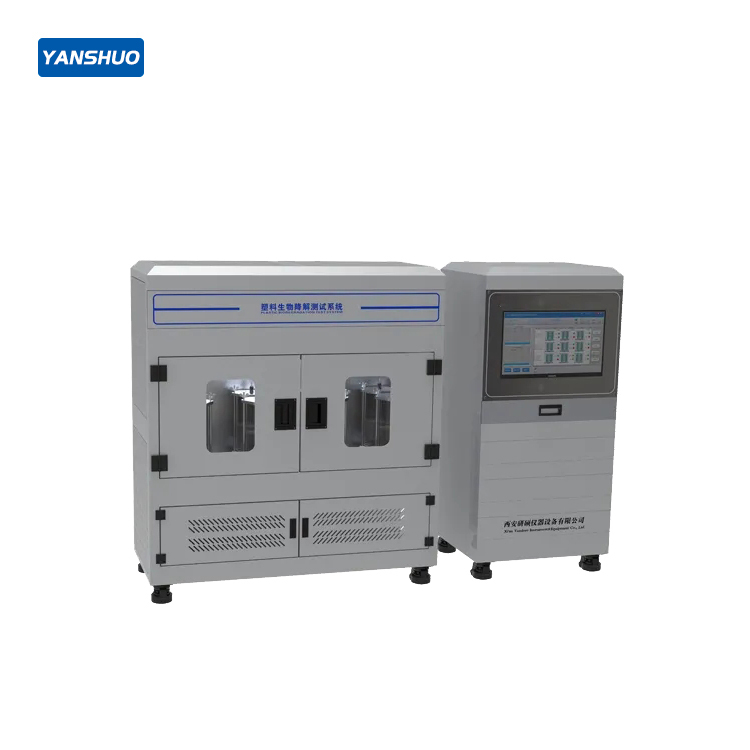
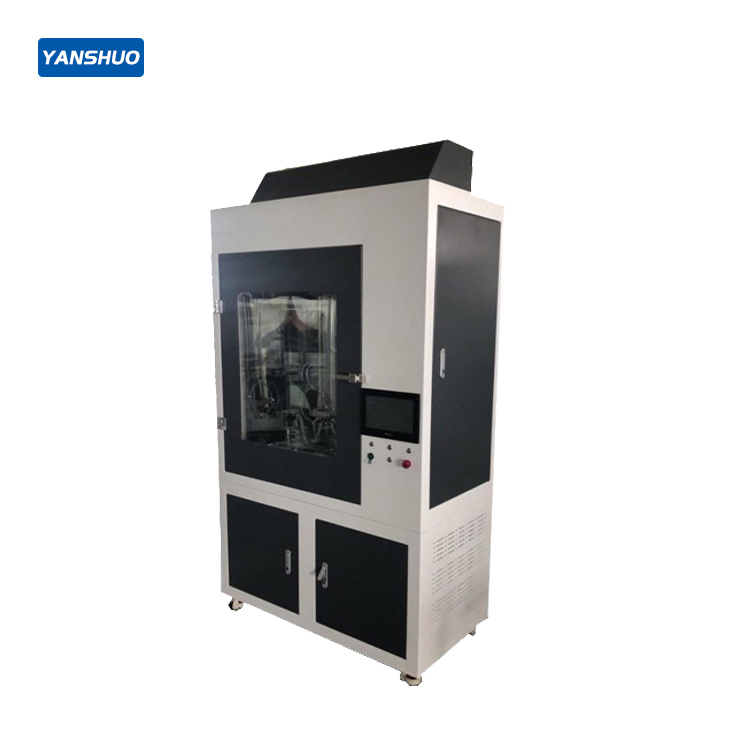
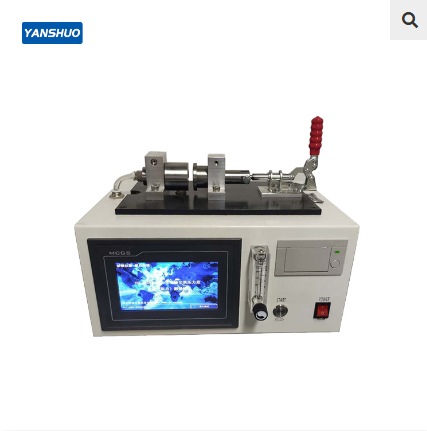
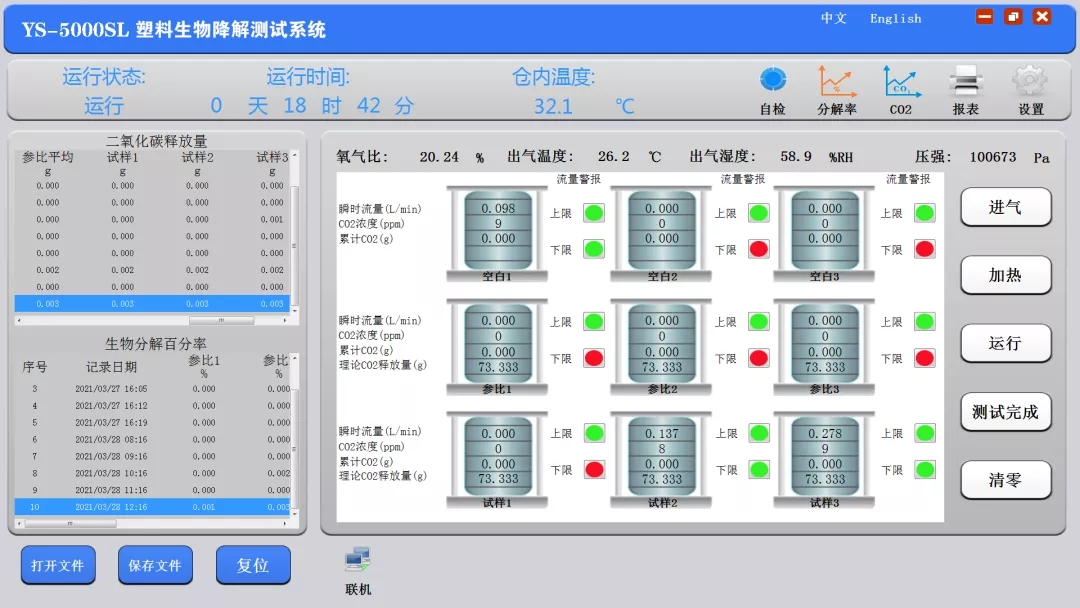
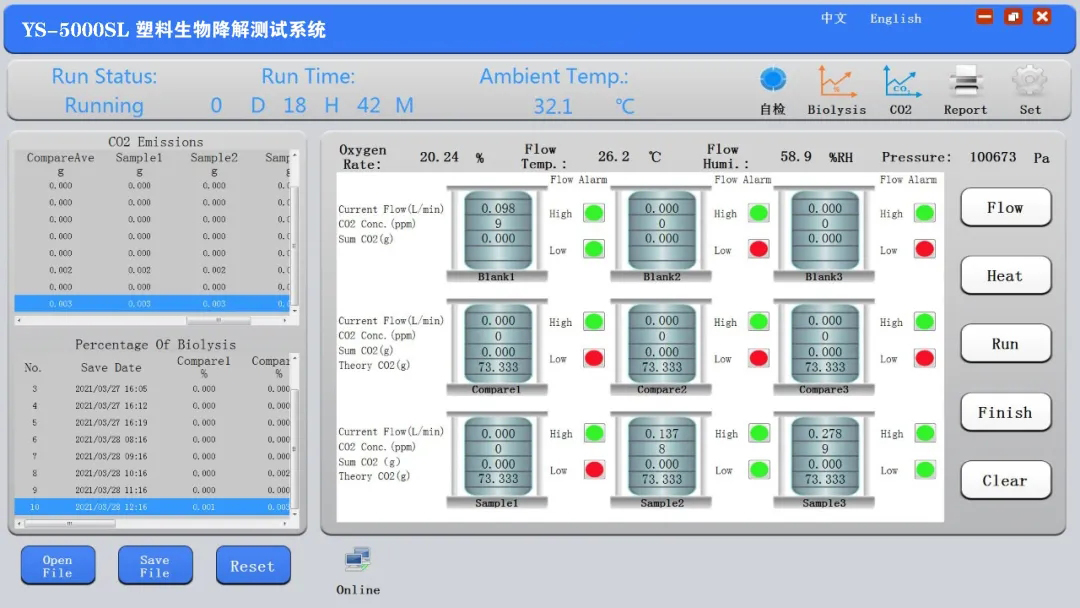
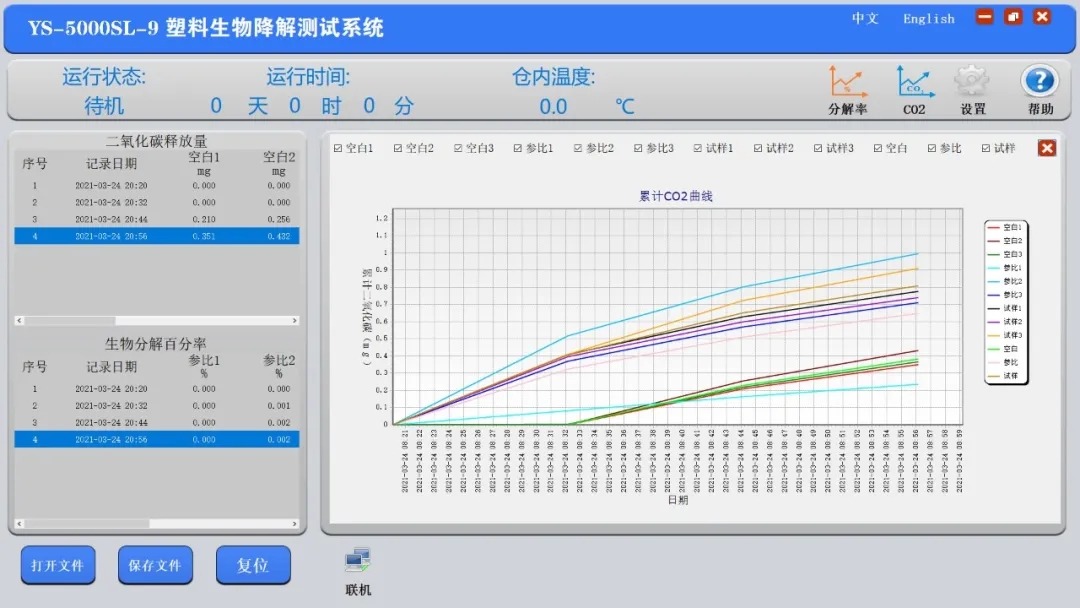
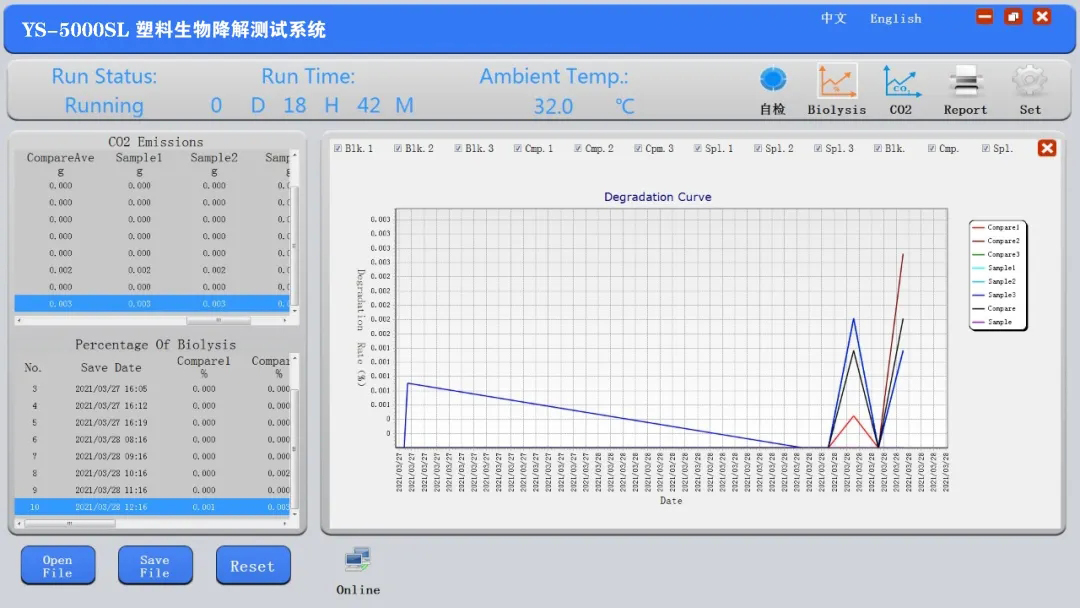
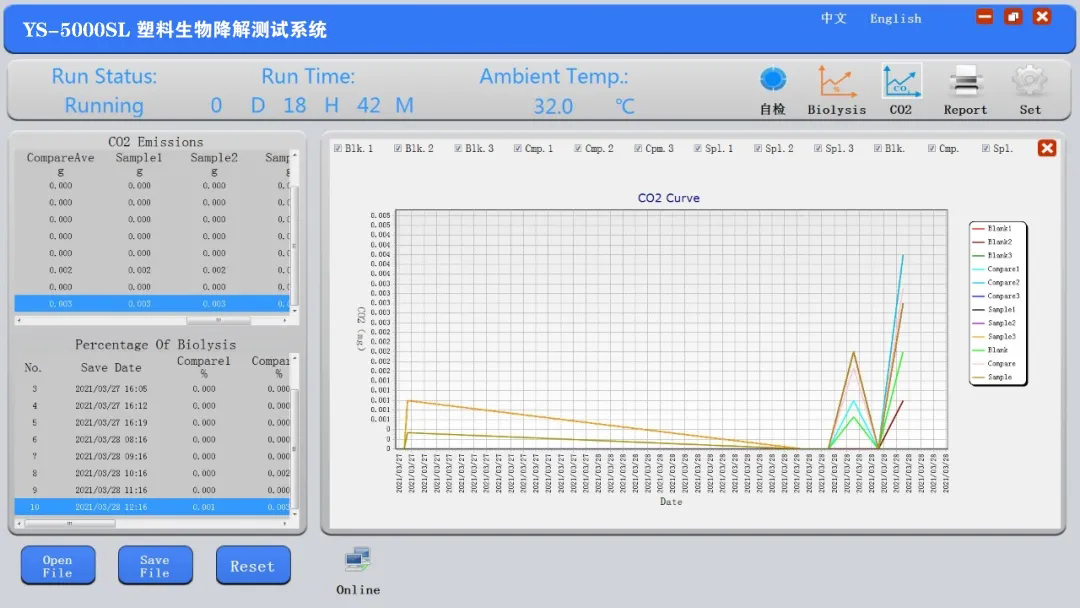
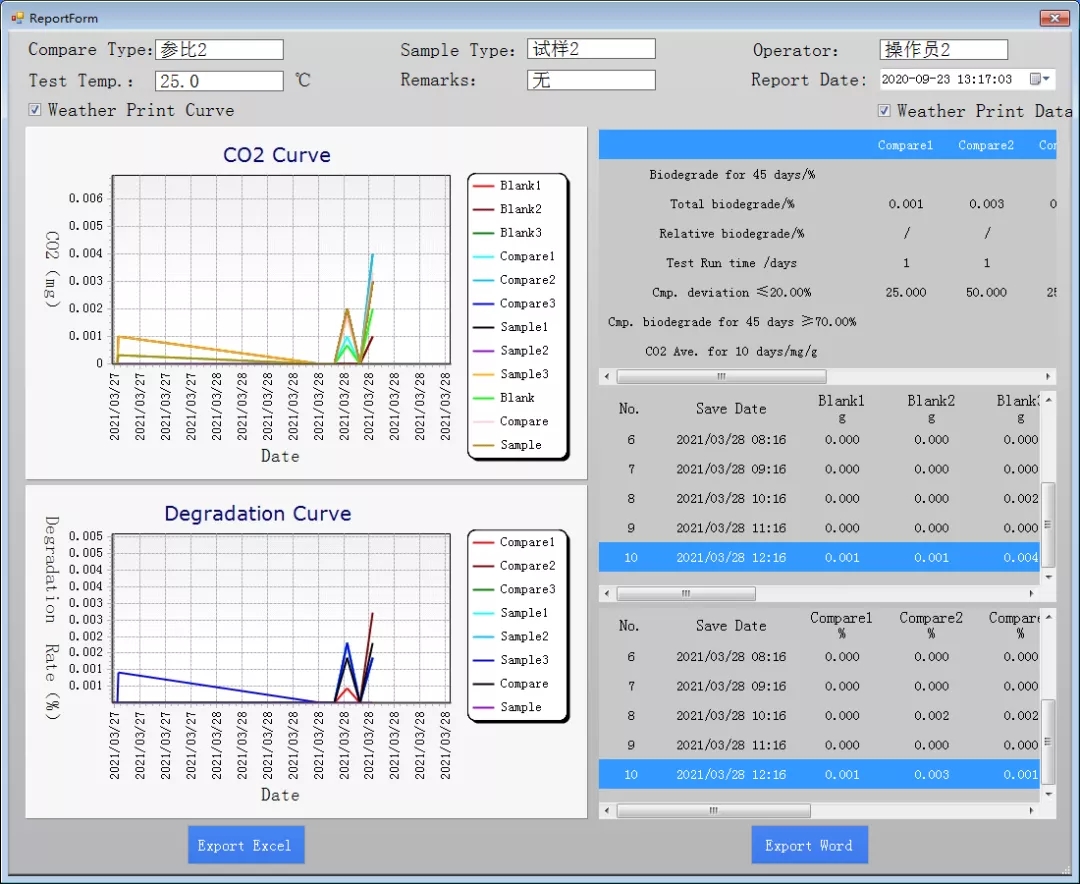
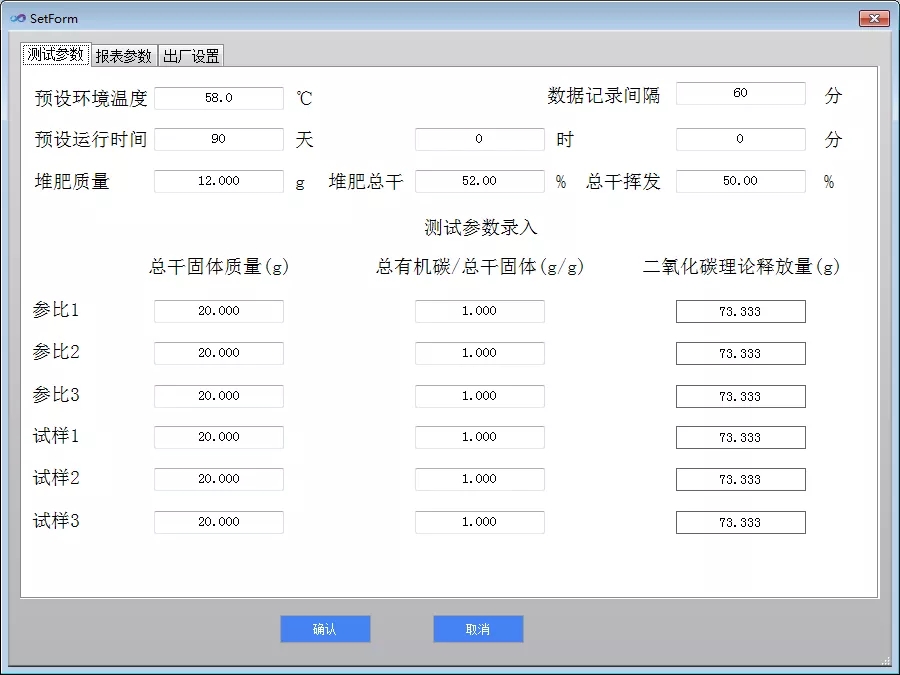
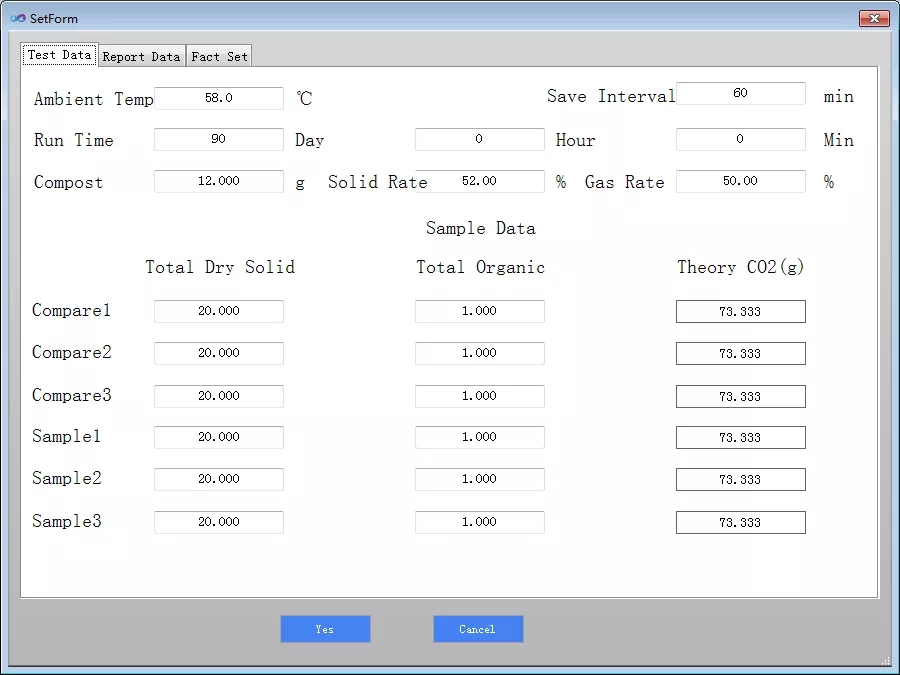
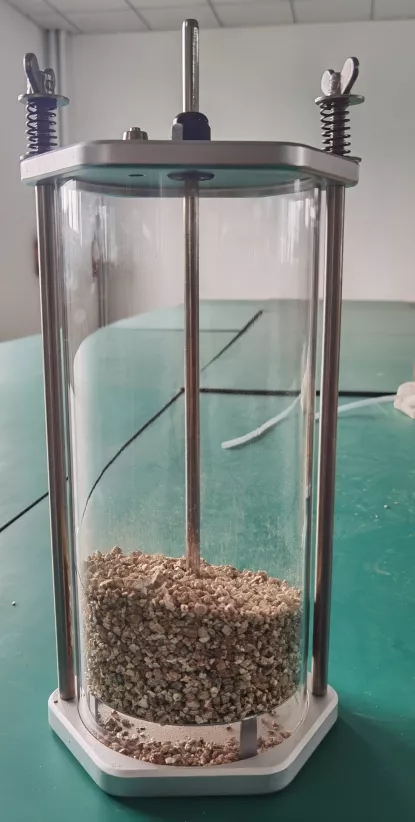
The plastic biodegradation test system (model: SL700D series) produced by our company can be used to determine the final aerobic biodegradability and degree of disintegration by measuring the amount of carbon dioxide emitted by materials as organic composting under controlled composting conditions. This instrument uses a mass flow controller to accurately set and measure the gas flow rate in the compost container; The independent automatic control system analyzes the experimental data in real time, and the experimental results can be uploaded to the computer to track the whole process of degradation, which is simple to operate and easy to study by inspectors. Automatic gas flow detection, automatic humidification, automatic leak detection, and the data results are more accurate and clear.
After a long period of social survey and customer questionnaire survey in the early stage, our company has launched YS-5000SL-9D (9-channel model), YS-5000SL-18D (18-channel model), YS-5000SL-36D (36-channel model) and other series of products to meet the needs of different customers.
【Scope of application】:
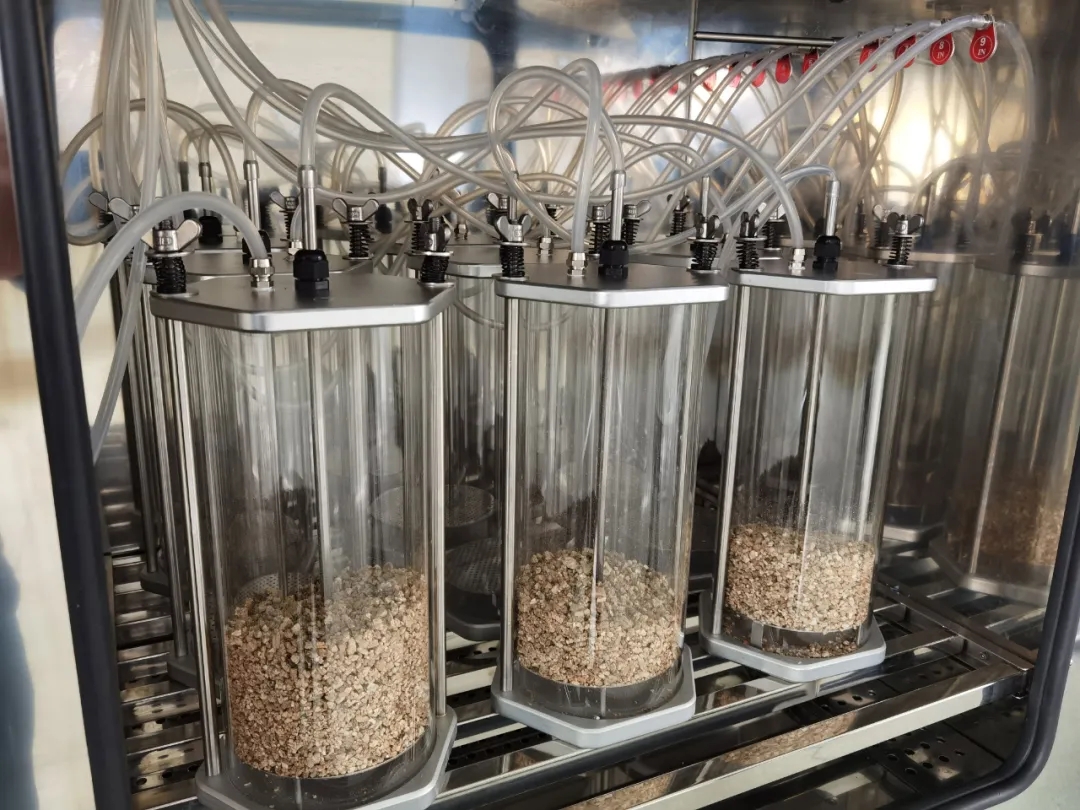
It is used to determine the final aerobic biodegradability and the degree of disintegration of materials as organic compounds by measuring the amount of carbon dioxide emitted by them. The test material is mixed with inoculum and introduced into a static composting container in which the mixture is subjected to intense aerobic composting at a specified temperature, oxygen concentration and humidity.
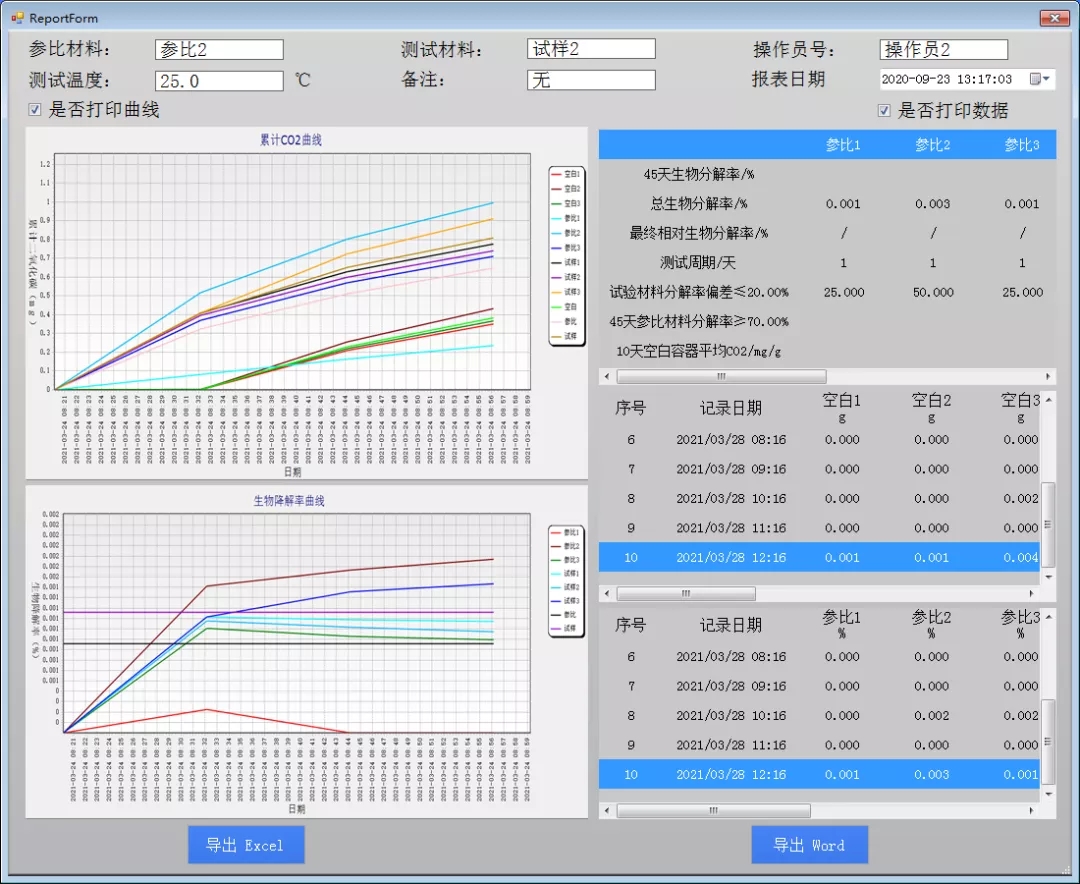
In the process of aerobic biodegradation of the test materials, carbon dioxide, water, mineralized inorganic salts and new biomass are all products of final biodecomposition. The carbon dioxide generated by the test vessel and blank container is continuously monitored and regularly measured during the test, and the cumulative amount of CO2 generated. The ratio of the actual amount of carbon dioxide produced by the test material in the test to the theoretical value of the carbon dioxide that the material can produce is the percentage of biodegradation.
The theoretical release of carbon dioxide can be calculated based on the actual measured total organic carbon (TOC) content. The biodegradation percentage does not include the amount of carbon that has been converted to new cellular biomass because it is not metabolized to carbon dioxide during the trial cycle.
In addition, the degree of disintegration of the test material can be determined at the end of the test, and the mass loss of the test material can also be determined.
[Test Process]:
 [Instrument features]:
1. Continuous airflow aerobic device.
2. Gas sensors imported from the United Kingdom test the content of CO2, O2 and other gases in the degradation process of plastic samples online in real time.
3. High measurement accuracy, can capture small changes in respiration rate.
4. For airtight and sealed reactors, the minimum flow volume unit is expressed in liters.
5. SMC/Dwell rotor flow meter plus mass flow meter mode control, accurately control and measure the gas flow rate in the reactor.
6. Automatic gas flow detection, automatic humidification, and automatic leak detection.
7. The stirring device can set the adjustment time period range.
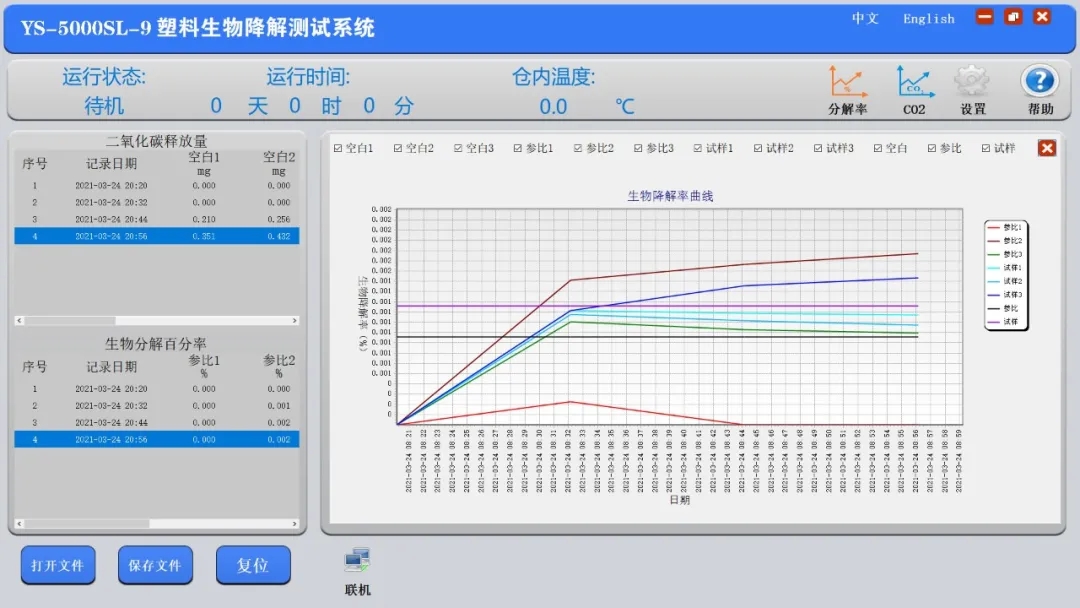
8. The equipment has a fully automatic electronic measurement mode, large screen display, and Chinese and English operation interface.
9. Vertical design, compact structure, small space occupation.
10. Independent automatic control system, real-time analysis of experimental data, experimental results can be uploaded to the computer to track the whole process of degradation.
11. Three-level permission and data audit and trail function, free storage of experimental data.
12. The experimental process can be tracked remotely through mobile phones and web browsers.
【Technical Parameters】:
| Name Model |
YS-5000SL-9D |
YS-5000SL-18D |
YS-5000SL-36D |
| The maximum number of reaction channels is tested |
9 channels (independent) |
18 channels (independent) |
36 channels (independent) |
| temperature control range and accuracy |
Room temperature +5°C~70°C±1°C |
| Humidity monitoring range |
30%~95%RH |
| Flow range |
0.01~0.5L/min |
| Infrared CO2 monitoring |
The measuring range is 0~5.00%, and the accuracy is better than 0.5 level |
| Electrochemical oxygen monitoring |
The range is 0~25% Vol, and the accuracy is level 1 |
| Atmospheric pressure monitoring |
The range is 0~120 KPa, and the accuracy is 0.2 level |
| Flow monitoring per channel |
0.01~0.5L/min, accuracy ±1%FS |
| Standard reactor volume |
3000ml (other volumes optional) |
| Air humidifier |
1 set |
1 set |
1 set |
| Number of compost containers |
9 |
18 |
36 |
| Imported CO2 gas sensor |
9 |
18 |
36 |
| Imported O2 gas sensor |
1 |
1 |
1 |
| SMC/Dwell mass flow meters |
9 |
18 |
36 |
| CO2 collector |
9 |
18 |
36 |
| Air dehumidifiers |
1 set |
1 set |
1 set |
| Power supply, power |
AC220V,50Hz,2KW |
AC220V,50Hz,2KW |
AC220V,50Hz,4KW |
| Control cabinetmm(L×W×H) |
600×600×1750 |
| Main unit size mm (L×W×H) |
1000×710×1750 |
1000×710×1750 |
2000×710×1750 |
| Weight kg |
Approx. 120Kg |
Approx. 120Kg |
Approx. 240Kg |