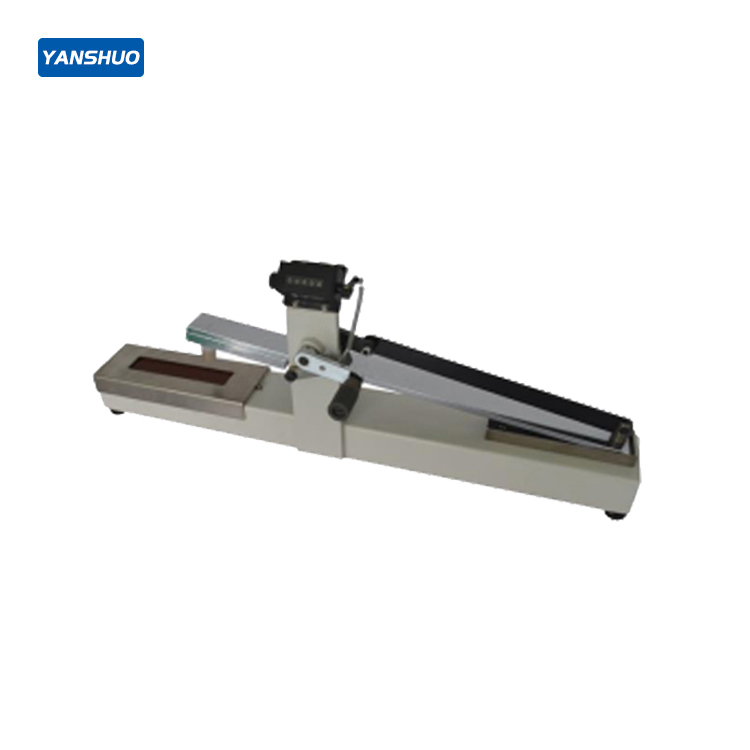
【Scope of application】
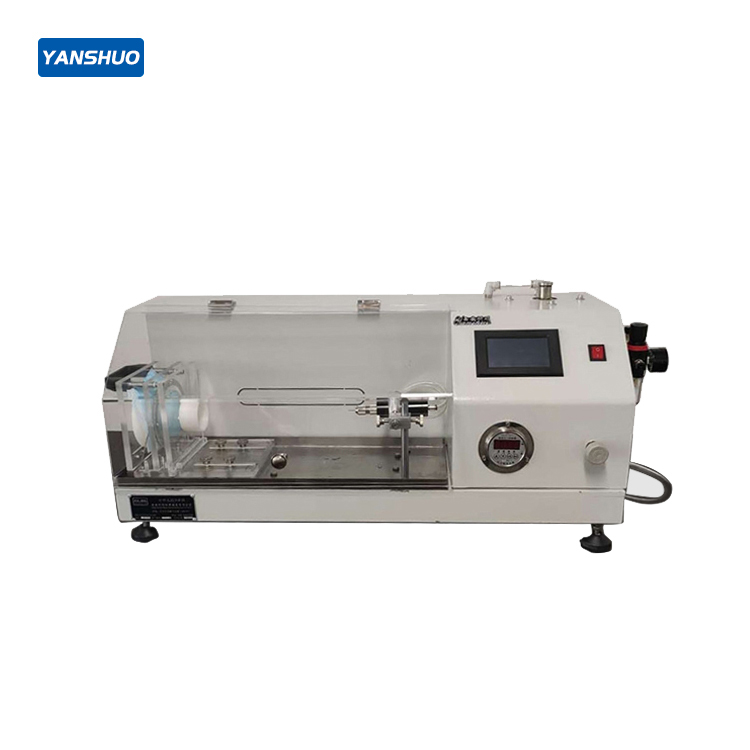
It is used for rubbing cotton, chemical fiber, blended fabrics and leather with dry/wet white cotton cloth respectively, and then using colored gray cards to evaluate the discoloration of the specimen and the staining of white cotton cloth, so as to obtain the dry/wet friction resistance of the fabric.
【Relevant Standards】
BS 1006 D02; ISO 105 D02 X12;AATCC 8 165;GB/T 3920;NEXT TM6 M&S C8 C8A
[Scope of application】: It is used for rubbing cotton, chemical fiber, blended fabrics and leather with dry/wet white cotton cloth respectively, and then using colored gray cards to evaluate the discoloration of the specimen and the staining of white cotton cloth, so as to obtain the dry/wet friction resistance of the fabric.
【Compliance with standards】:BS 1006 D02; ISO 105 D02 X12;AATCC 8 165;GB/T 3920;NEXT TM6 M&S C8 C8A
【Technical Parameters】:
1. Friction head pressure: 9N
2. Friction head type: rectangular friction head for velvet fabrics, round friction head for other textiles
3. AATCC and ISO standards use different friction white cotton fabrics
4. Friction head size: rectangular 19×25mm or round Φ16 mm
5. Friction cloth size: 50mm*50mm for round friction head, 25*100mm for rectangular friction head
6. Specimen size: 50*140mm
7. Reciprocating friction speed: hand control
8. Number of round trips: 1-99999 times
9. Reciprocating stroke: GB: 100 mm AATCC: 104mm
10. Overall dimensions: 660×160×220mm
11. Instrument weight: 3.5Kg
[Accessories and consumables】:
1. Friction cloth fixing clip
2. Standard friction sandpaper
3. Friction small white cloth (AATCC/ISO standard)
4. Friction small white cloth (SDC)
5. Calibrate the fabric
6. Gray card (color) – ISO/BS standard
7. Gray card (colored) – AATCC standard
[Measurement steps】:
1. The specimen and the standard friction small white cloth need to be humidified in a constant temperature and humidity environment.
2. When the specimen has multiple colors, all the colors should be rubbed to.
3. If the area of various colors is large enough, they must be sampled separately.
4. Cut out the specimen, do dry rubbing and wet rubbing respectively, and ensure that the rubbing is done to all colors.
5. If the front and back sides of the specimen are made of different materials and colors, the front and back sides must be tested for friction color fastness.
6. The dry and wet friction fastness should not be repeated in the same part of the specimen.
【Dry Rub】:
1. Place the specimen flat on the friction instrument covered with sandpaper, so that the length direction of the specimen is consistent with the direction of the instrument’s movement, and fix the specimen on the platen, and the clamping should be flat.
2. Fix the standard friction small white cloth on the friction head, clamp it with spring clamps, and gently place the friction head on the specimen;
3. It should be ensured that the specimen does not slip or wrinkle during friction;
4. Place the rubbing head on the specimen. Turn on the power and turn on the POWER button. Set the number of tests.
5. Press the START key to start the test. When the number of tests reaches the set value, the instrument will automatically stop.
6. Remove the standard friction white cotton cloth and compare and grade it with a colorimetric card.
[Wet Friction]:
1. Completely soak the standard friction small white cloth in distilled water;
2. After taking it out, it is sandwiched in the filter paper and squeezed to make it have a certain water content;
3. The rest of the steps are the same as the above dry friction test steps;
【Result Processing】:
1. Before grading, use transparent glue to gently glue to rub the loose fluff on the white cloth.
2. Use three layers of unused friction white cloth to pad under the friction white cloth to be evaluated, and evaluate the staining grade of the friction small white cloth with reference to the standard color-stained gray card.
【Measurement Report】:
1. Standard reporting methodology
2. Report the results of dry and wet rubbing respectively.