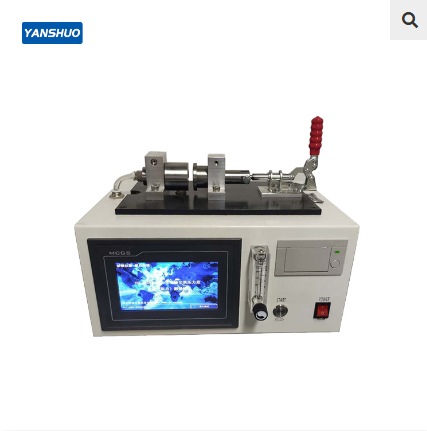
【Scope of application】
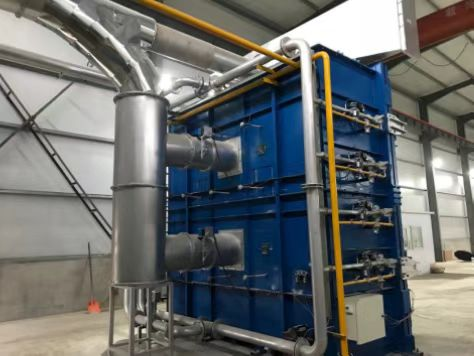
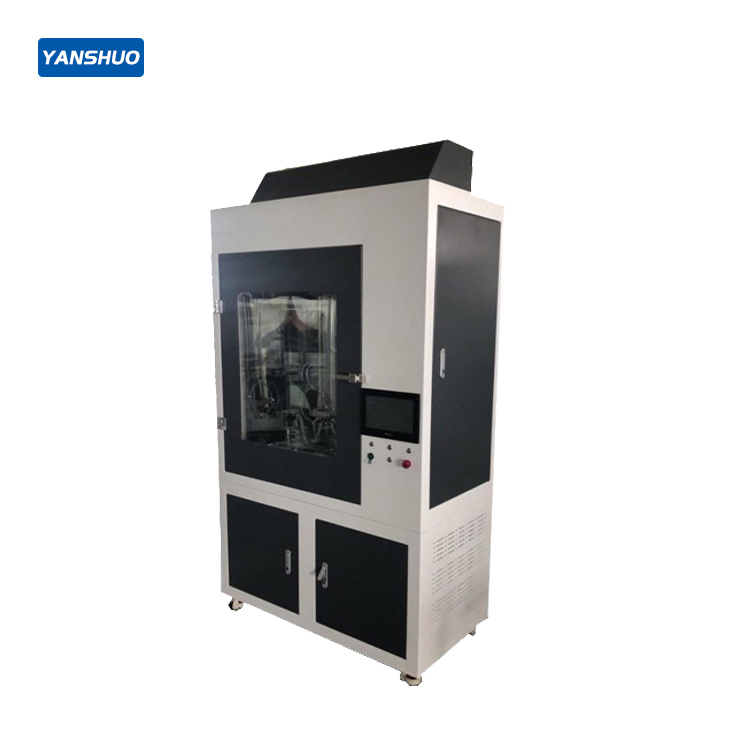
In the fire resistance limit test, according to the requirements of the national standard GB/9978-2008, the fire resistance test should be heated by open flame, so that the specimen is subjected to flame action similar to that of the actual fire. This test furnace simulates the actual heating process during fire, meets the requirements of fire resistance limit test on the specimen, and comprehensively evaluates the weather resistance of the components. GB 9978-2008 “Fire Resistance Test Method for Building Components”
【Relevant Standards】
GB 9978-2008 “Fire Resistance Test Method for Building Components”
【Instrument parameters】:
In the fire resistance limit test, according to the requirements of the national standard GB/9978-2008, the fire resistance test should be heated by open flame, so that the specimen is subjected to flame action similar to that of the actual fire. This test furnace simulates the actual heating process during fire, meets the requirements of fire resistance limit test on the specimen, and comprehensively evaluates the weather resistance of the components.
GB 9978-2008 “Fire Resistance Test Method for Building Components”
Main technical performance indicators
1. Furnace temperature control
According to the provisions of the national standard GB 9978, the heating curve of the temperature in the test furnace should meet the following requirements:
T – T0 = 345lg(8t+1)
where t – the time experienced by the test, min;
T — furnace temperature at the time of heating t, °C;
T0 – The initial temperature in the furnace should be within the range of 5°C~40°C, °C.
2. Pressure requirements
At a height of 3m in the furnace and 100mm from the surface of the specimen, the pressure in the furnace is detected:
a After 5 minutes of the start of the test, the furnace pressure was 15Pa±5Pa;
b After 10 min of the test, the furnace pressure was 17Pa±3Pa.
3. Determination of fire resistance limit
aLoss of integrity.
b Loss of thermal insulation. When the average temperature rise of the backfire surface of the specimen exceeds the initial average temperature of the specimen surface by 140°C or the temperature rise of any point on the backfire surface exceeds the initial temperature of 180°C at that point.
Technical parameters
Furnace type: vertical comprehensive fire resistance test furnace
Kiln Dimensions: 3.0m×3.0m×1.2m
Fuel: Natural gas or LPG
Maximum operating temperature: 1300°C
Number of burners: 8 sets
Smoke exhaust temperature: <100°C
Smoke exhaust air volume: ≈16000m3/h
Furnace wall temperature rise: < room temperature +40°C (non-burner and viewing window area)
Insulation material: mullite refractory brick, zirconium cotton block in the flue.
Thermocouples: 9 thermocouples in the furnace; 30 back-temperature thermocouples,
1 mobile thermocouple and 1 environmental thermocouple.
The thermocouple complies with the provisions of GB9978.1 standard and the nickel-chromium-nickel-silicon (K-type) thermocouple stipulated in GB/T16839.1, and the thermocouple test accuracy in the furnace is ± 15°C
The thermocouple test accuracy on the backfire surface is ±4°C, the precision of the mobile thermocouple test is 4°C± the environmental thermocouple test accuracy is ±1°C, and 30 interfaces are reserved for the backfire surface test, and 30 thermocouple interface positions can be measured at the same time.
Fire Off Window: 4 on the back wall of the furnace body
Combustion control form: proportional combustion, automatic kiln pressure control, automatic temperature adjustment, temperature curve sequence control, computer-aided management
Smoke exhaust form: mechanical smoke exhaust on the back, connected to the washing dust removal tower.